

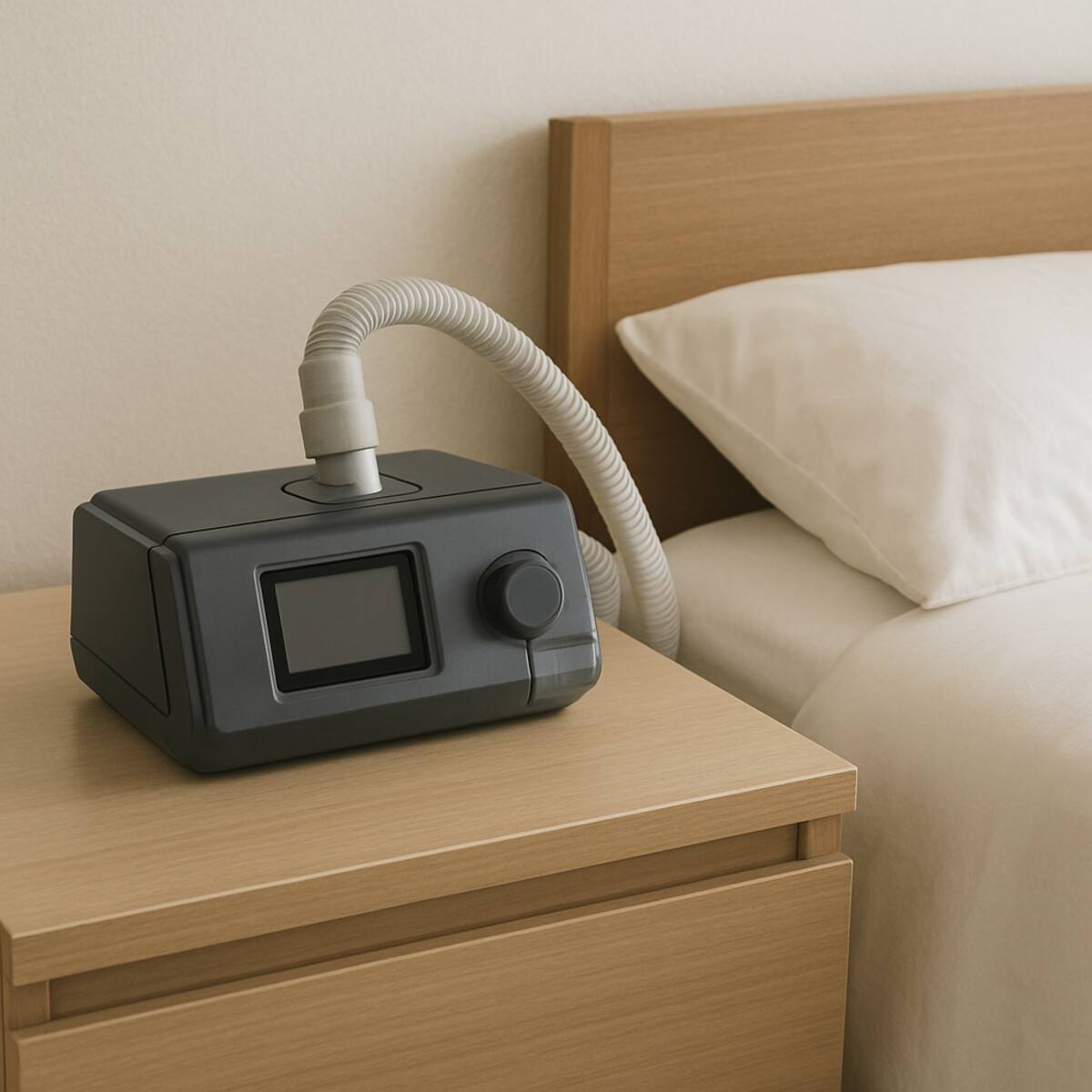
A sleep apnea machine, often referred to as a CPAP (Continuous Positive Airway Pressure) device, is a medical device designed to help individuals with sleep apnea breathe more easily during sleep. Sleep apnea is a condition where your breathing repeatedly stops and starts, which can lead to poor sleep quality and other health issues. The Amazing fact about 呼吸機.
How Sleep Apnea Machines Work
The CPAP device works by delivering a steady stream of air through a mask, keeping your airway open and ensuring you get the oxygen you need. The continuous airflow prevents the airway from collapsing, which is a common occurrence in people with sleep apnea. This simple mechanism can significantly improve sleep quality and reduce health risks associated with untreated sleep apnea.
The Importance of Consistent Airflow
Consistent airflow is crucial because it stabilizes your breathing pattern throughout the night. Interruptions in breathing can lead to fragmented sleep, increased heart rate, and a higher risk of cardiovascular problems. By maintaining an open airway, sleep apnea machines help mitigate these risks, promoting healthier sleep and well-being.
Potential Health Benefits
Using a sleep apnea machine can lead to a range of health benefits. Improved sleep quality can enhance your mood, increase daytime alertness, and reduce the risk of developing serious conditions such as high blood pressure, heart disease, and stroke. Additionally, it can decrease the frequency of snoring, which can be a relief for both you and your partner.
Types of Sleep Apnea Machines
Understanding the different types of sleep apnea machines can help you make an informed decision. Each type of machine is designed to cater to specific needs and preferences.
CPAP Machines
The CPAP machine is the most common type of device used to treat sleep apnea. It delivers a constant, fixed pressure of air to keep your airway open. This type of machine is generally recommended for those with moderate to severe sleep apnea.
Advantages of CPAP Machines
CPAP machines are known for their simplicity and effectiveness. They provide a steady stream of air pressure, which is a straightforward solution for maintaining open airways. Many users find that CPAP machines are easy to set up and use, which contributes to their popularity.
Considerations for CPAP Users
While CPAP machines are effective, some users may find the constant pressure uncomfortable, especially when first starting treatment. It’s essential to give yourself time to adjust to the sensation and explore different mask options to find one that fits comfortably.
CPAP Machine Features
Modern CPAP machines come with various features to enhance comfort and usability. These may include ramp settings that gradually increase air pressure, built-in humidifiers to reduce dryness, and data tracking to monitor your usage and progress over time.
APAP Machines
An APAP (Automatic Positive Airway Pressure) machine automatically adjusts the air pressure throughout the night based on your needs. It’s great for those who experience varying levels of apnea throughout the night. If you find the constant pressure of a CPAP uncomfortable, an APAP might be the right choice for you.
Benefits of APAP Machines
The primary advantage of APAP machines is their adaptability. By adjusting air pressure in real-time, they provide a tailored experience that can be more comfortable for users who have fluctuating breathing patterns. This adaptability can lead to improved comfort and compliance.
Who Can Benefit from APAP?
APAP machines are particularly beneficial for individuals whose sleep apnea severity varies throughout the night or across different sleep stages. They are also a good option for those who struggle with the fixed pressure of a CPAP machine and need a more dynamic solution.
APAP Machine Features
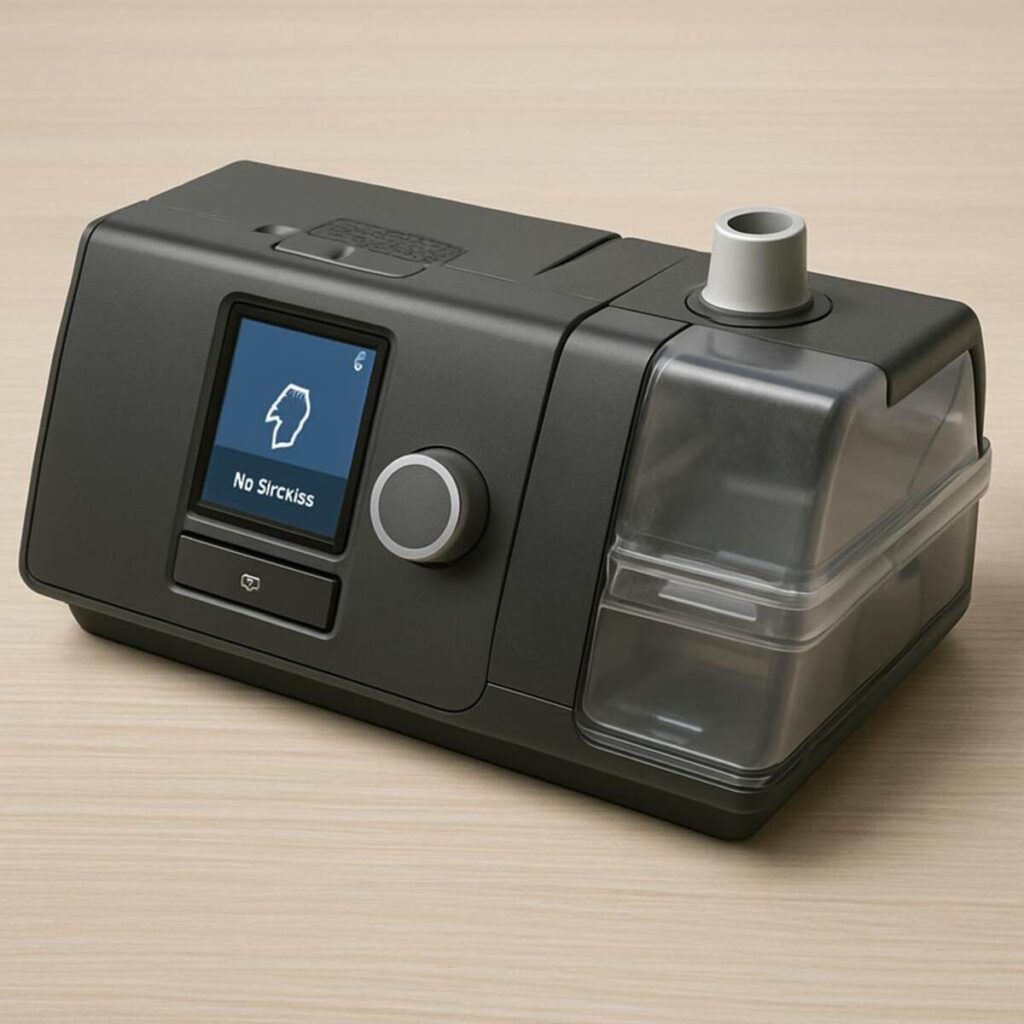
APAP machines often include advanced features like pressure relief during exhalation, data tracking, and connectivity options for remote monitoring by healthcare providers. These features can enhance the user experience and provide valuable insights into sleep health.
BiPAP Machines
BiPAP (Bilevel Positive Airway Pressure) machines offer two levels of pressure: a higher pressure when you inhale and a lower pressure when you exhale. This option is typically used for individuals who need additional respiratory support or have more complex sleep apnea cases.
Advantages of BiPAP Machines
BiPAP machines are ideal for individuals who require more advanced respiratory support. The dual pressure settings make breathing more comfortable, as they reduce the effort required during exhalation. This can be particularly beneficial for people with respiratory conditions in addition to sleep apnea.
When to Consider a BiPAP
BiPAP machines are often recommended for individuals with central sleep apnea, COPD, or other respiratory conditions that complicate breathing patterns. They are also an option for those who have not found success with CPAP or APAP therapy.
BiPAP Machine Features
BiPAP machines come with features such as adjustable pressure settings, data tracking, and advanced algorithms to optimize therapy. These features make them suitable for complex cases, providing a customized approach to sleep apnea treatment.
Factors to Consider When Choosing a Machine
Selecting the right sleep apnea machine involves evaluating several factors to ensure it meets your needs and preferences.
Comfort and Fit
Let’s face it, if your sleep apnea machine isn’t comfortable, you’re unlikely to use it consistently. Look for a machine that offers a mask with a good fit-something that doesn’t pinch, slide around, or leave marks on your face. Many machines come with different mask options, so be sure to try a few before making a decision.
Importance of a Good Fit
A well-fitting mask is crucial for effective therapy. If the mask is too loose, air leaks can occur, reducing the effectiveness of the treatment. Conversely, a mask that is too tight can cause discomfort and skin irritation. Finding the right balance is key to a successful experience.
Exploring Mask Types
There are several types of masks available, including nasal masks, full-face masks, and nasal pillow masks. Each type has its pros and cons, and personal preference plays a significant role in choosing the right one. It’s essential to try different styles to determine which provides the best comfort and seal.
Customizing Your Fit
Many manufacturers offer customizable options, such as adjustable headgear and different mask sizes, to ensure a perfect fit. Some even provide the option of custom-made masks for those with unique facial structures. Taking the time to find the right fit can significantly enhance your therapy experience.
Noise Level
No one wants a noisy machine to disrupt their sleep. Most modern sleep apnea machines are designed to be quiet, but it’s still worth checking the decibel level. A quieter machine will make for a more restful night’s sleep for both you and your partner.
Understanding Noise Levels
Noise levels in sleep apnea machines are measured in decibels (dB). Most machines operate around 25-30 dB, which is considered whisper-quiet. Checking the noise level specifications can help you choose a machine that won’t disturb your sleep environment.
Impact on Sleep Quality
A noisy machine can be a significant barrier to consistent use. It can disturb not only your sleep but also that of anyone sharing the room with you. Opting for a quieter machine can make a big difference in ensuring a peaceful night’s rest.
Quiet Machine Features
Many modern machines incorporate noise-reduction technology, such as sound-dampening materials and quiet motors. Some also offer features like “quiet mode” to further reduce operational noise. These features can enhance comfort and compliance.
Portability
If you travel frequently, consider a machine that is lightweight and easy to pack. Some models are specifically designed for travel, with features like battery options and compact sizes.
The Importance of Portability
For frequent travelers, portability is a crucial consideration. A compact and lightweight machine can make it easier to maintain your therapy routine while on the go. Portable machines are often designed to fit easily into carry-on luggage and come with travel-friendly accessories.
Travel-Friendly Features
Many portable machines offer features such as battery packs for use in locations without power, international power adapters, and durable carrying cases. These features ensure that you can continue your therapy uninterrupted, no matter where your travels take you.
Comparing Travel Models
When choosing a travel-friendly machine, compare models based on size, weight, and available features. Some machines are specifically marketed as travel models and may offer additional conveniences like USB charging ports or Bluetooth connectivity for easy monitoring.
Humidification
Dry mouth or nasal passages can be a common side effect of using a sleep apnea machine. Many devices offer built-in humidifiers to help alleviate this issue. If you find yourself experiencing dryness, a machine with a humidifier might be a good option.
Benefits of Humidification
Humidifiers add moisture to the air you breathe, which can prevent dryness and irritation in your nasal passages and throat. This added comfort can make using the machine more pleasant and reduce potential side effects like sore throats or nosebleeds.
Types of Humidifiers
There are two main types of humidifiers: integrated and standalone. Integrated humidifiers are built into the machine, offering a seamless solution, while standalone humidifiers are separate units that can be attached as needed. Each type has its advantages, so consider your preferences when choosing.
Maintaining Your Humidifier
Proper maintenance is essential for effective humidification. Regular cleaning and replacing the water daily can prevent bacterial growth and ensure optimal performance. Some machines offer features like heated humidification, which can further enhance comfort during colder months.
Tips for Getting Used to Your New Machine
Adjusting to a sleep apnea machine can take time, but these tips can help make the transition smoother.
- Start Slowly: Ease into using your machine by wearing the mask for short periods during the day while you watch TV or read. This will help you get accustomed to the sensation.
- Gradual Acclimation: By gradually increasing your usage time, you can become more comfortable with the machine. This approach can reduce anxiety and make the experience feel less overwhelming.
- Familiar Environments: Using the machine in a familiar setting, like your living room, can make the process feel more natural. This familiarity can ease the adjustment period and help you build a routine.
- Positive Reinforcement: Reward yourself for small milestones, like wearing the mask for an entire TV show. This positive reinforcement can motivate you to continue adapting to the therapy.
- Adjust Settings Gradually: If your machine has adjustable pressure settings, gradually increase the pressure over a few nights to find the most comfortable level.
- Consult Your Provider: Work with your healthcare provider to determine the best pressure settings for your needs. They can provide guidance on making adjustments to ensure effective therapy.
- Monitor Your Progress: Keep track of any changes in comfort or sleep quality as you adjust the settings. This information can help you and your provider optimize your treatment.
- Patience is Key: Remember that finding the right settings can take time. Be patient with yourself and give your body time to adapt to the changes.
- Create a Bedtime Routine: Establish a relaxing bedtime routine to help signal to your body that it’s time to sleep. This can make the transition to using a sleep apnea machine smoother.
- Consistency Matters: Try to go to bed and wake up at the same time each day, even on weekends. Consistent sleep schedules can improve your overall sleep quality and help you adjust to the machine.
- Relaxation Techniques: Incorporate relaxation techniques such as deep breathing, gentle stretching, or meditation into your routine. These practices can calm your mind and prepare your body for restful sleep.
- Avoid Stimulants: Limit your intake of caffeine and electronics before bed. Reducing these stimulants can help you unwind and make it easier to fall asleep with the machine.
- Stay Consistent: Consistency is key. Use your machine every night, even during naps, to maximize its benefits.
- Building a Habit: The more consistently you use your machine, the easier it will become to incorporate it into your daily routine. Establishing this habit can lead to long-term success with your therapy.
- Tracking Progress: Keep a sleep diary to monitor your progress and track any improvements in sleep quality or daytime alertness. This information can be motivating and help you stay committed to your treatment.
- Seek Support: If you’re struggling with consistency, reach out to a support group or online community for encouragement and advice. Connecting with others who are going through similar experiences can be empowering.
Real-Life Experiences
Hearing from others who have successfully integrated sleep apnea machines into their lives can provide reassurance and motivation.
Success Stories
Many users report that once they adjust to their sleep apnea machine, the quality of their sleep improves dramatically. They wake up feeling more rested and energized, with fewer daytime sleepiness issues. If you’re hesitant about starting treatment, know that you’re not alone and that the benefits can be life-changing.
Overcoming Challenges
While the initial adjustment period can be challenging, many users find that the long-term benefits outweigh the initial discomfort. Stories of overcoming these challenges can inspire you to persevere and find the right solution for your needs.
Community Support
Online forums and support groups offer a wealth of information and encouragement. Engaging with these communities can provide valuable insights, tips, and a sense of camaraderie as you navigate your sleep apnea journey.
Common Misconceptions
Addressing common misconceptions can help you make informed decisions about sleep apnea treatment.
“I Don’t Need a Machine; I Can Manage on My Own.”
While lifestyle changes like losing weight or changing sleep positions can help, they are often not enough to manage sleep apnea on their own. A sleep apnea machine provides the necessary support to keep your airway open.
The Limitations of Lifestyle Changes
While lifestyle changes can complement treatment, they rarely address the root cause of sleep apnea. Machines provide the consistent airway support needed to effectively manage the condition.
The Role of Professional Guidance
A healthcare professional can assess your individual needs and recommend the most appropriate treatment plan. Their expertise ensures that you receive the support necessary to improve your sleep health.
Balancing Treatment Approaches
Integrating lifestyle changes with machine therapy can maximize your results. A comprehensive approach that includes both elements can lead to significant improvements in your overall well-being.
“CPAP Machines Are Uncomfortable.”
Modern machines are designed with comfort in mind. With advancements in technology, there are now many options available to ensure a comfortable fit and quiet operation.
Advancements in Design
Technological advancements have led to more comfortable and user-friendly machines. Features like adjustable masks, pressure relief settings, and noise reduction have transformed the user experience.
Personalizing Your Experience
Customizing your machine’s settings and accessories can enhance comfort. Taking the time to explore different options and make adjustments can make a significant difference in your comfort level.
Trial and Error
Finding the right combination of machine, mask, and settings may take some time. Don’t hesitate to experiment with different options to discover what works best for you.
“I Only Snore, So I Don’t Need a Machine.”
Snoring can be a sign of sleep apnea. It’s important to get a proper diagnosis from a healthcare professional to determine if a sleep apnea machine is necessary.
Understanding Snoring and Sleep Apnea
While snoring is a common symptom of sleep apnea, not everyone who snores has the condition. A professional evaluation can determine whether your snoring is indicative of sleep apnea.
The Importance of Diagnosis
A proper diagnosis is crucial to receiving the right treatment. Sleep studies can provide valuable insights into your sleep patterns and help guide your treatment plan.
Taking Action
If you’re experiencing symptoms like excessive daytime sleepiness, morning headaches, or witnessed breathing pauses, seek a professional evaluation. Early intervention can prevent complications and improve your quality of life.
Conclusion
Choosing the right machine for sleep apnea is a personal decision that depends on your specific needs and preferences. By considering factors like comfort, noise level, and portability, you can find a device that fits seamlessly into your life. Remember, the goal is to improve your sleep quality and overall health. With the right machine and a bit of patience, you’re well on your way to better sleep. Sweet dreams!
If you have any questions or need further guidance, don’t hesitate to reach out to a healthcare professional or sleep specialist. They can provide personalized advice and help you on your journey to restful nights. Happy sleeping!
