

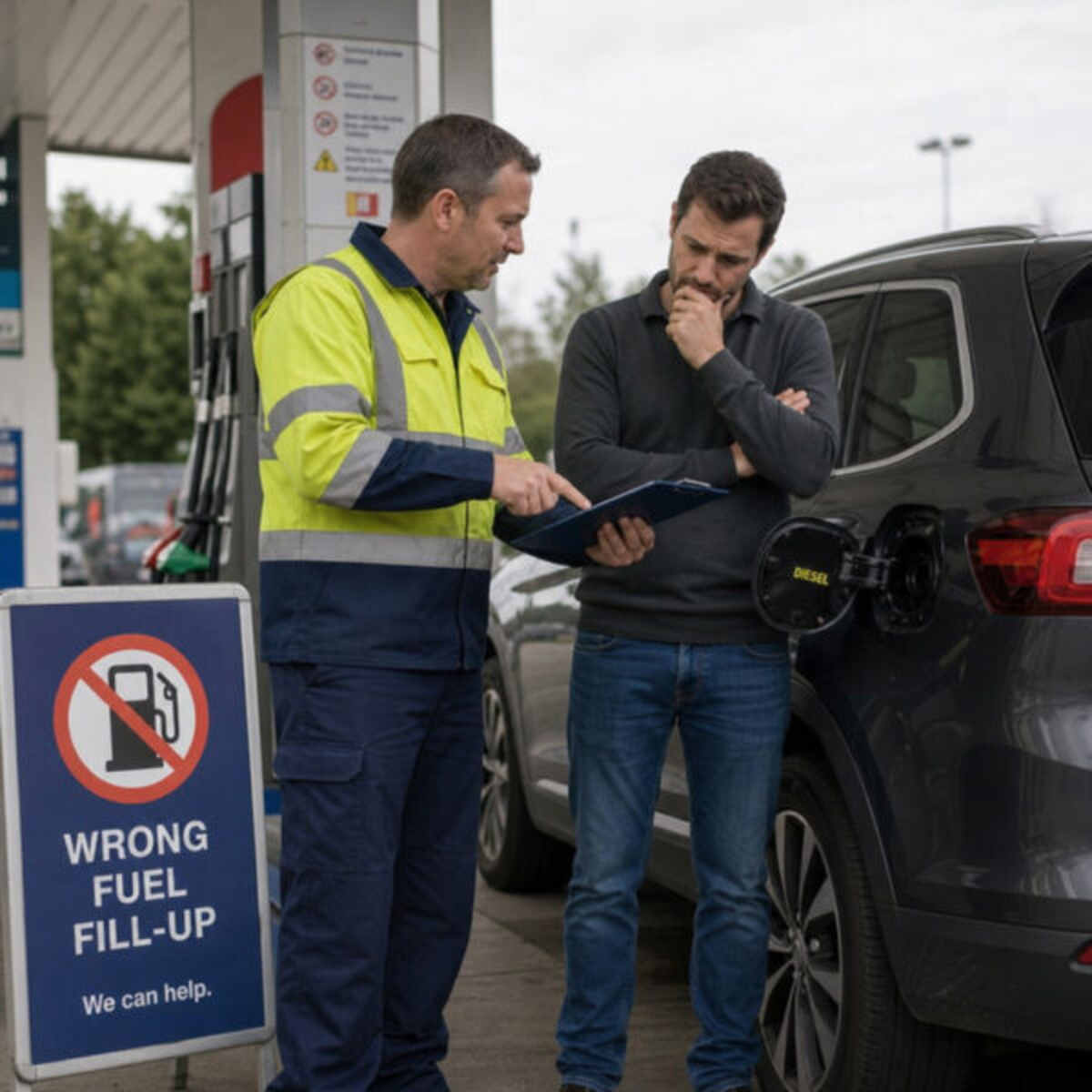
Fast, Calm Help When the Wrong Fuel Goes In
Putting the wrong fuel in your vehicle is one of those moments that can turn an ordinary drive into a stressful one very quickly. Maybe you were rushing between appointments. Maybe the pump looked familiar. Maybe you realised only after the receipt printed. Whatever happened, the next move matters more than the mistake itself. Browse the Best info about Fuel Drain Central Coast .
Our fuel drain service is designed for Central Coast drivers who need practical, professional support after a misfuel incident. Whether you have put petrol in a diesel vehicle, diesel in a petrol vehicle, or you are simply unsure what has happened, the safest option is to stop, avoid driving, and speak with a fuel drain professional as soon as possible.
Wrong fuel problems are more common than many drivers realise. They happen to commuters, parents, tradies, fleet drivers, visitors, and locals who know their vehicle well. The important thing is not to panic. With the right response, many misfuel situations can be handled without unnecessary damage, delay, or drama.
If you are searching for fuel drain central coast support, you are likely looking for someone who understands both vehicles and the pace of local driving. You need clear advice, careful handling, and a service that helps get your day back on track as smoothly as possible.
Stop Before You Start the Engine
If you have just realised the wrong fuel has gone into your tank, the best thing you can do is avoid starting the vehicle. If the engine has not been started, the contaminated fuel may still be contained mainly within the tank. That can make the situation simpler to assess and resolve.
If you have already started the car or driven away, do not keep driving. Pull over somewhere safe as soon as you can, switch the vehicle off, and arrange help. Continuing to run the engine can circulate the wrong fuel through sensitive components, increasing the chance of mechanical issues.
Here is the simple rule:
- If you are still at the petrol station, do not start the engine.
- If the vehicle is running, turn it off when safe.
- If you are on the road, move to a safe location first.
- Do not attempt to siphon or drain the fuel yourself.
- Contact a professional fuel drain technician for advice.
Fuel is flammable, toxic, and environmentally hazardous. It needs to be handled with the right equipment and through the proper disposal process. A professional service protects your vehicle, your safety, and the surrounding area.
Local Support for Central Coast Drivers
Life on the Central Coast often means moving between work, school, beaches, shopping centres, job sites, appointments, and weekend plans. When a fuel mistake happens, you do not want vague advice or a long wait for help from someone who does not understand the local area.
A local fuel drain service provides practical assistance from people familiar with the driving needs of Central Coast motorists. Whether you are close to home, parked at a service station, stopped near a shopping precinct, or dealing with a fleet vehicle that cannot afford extended downtime, local knowledge makes the process easier.
Many drivers first search for central coast mechanics after a misfuel. In some situations, a mechanic may be needed, especially if the vehicle has been driven for some time after the wrong fuel was added. But in many cases, a dedicated fuel drain technician is the first call because the immediate issue is contaminated fuel in the tank and fuel system.
Our role is to help you make the right next decision. That might mean arranging a fuel drain, advising you not to start the vehicle, recommending further mechanical inspection if needed, or helping you understand what has likely happened based on the fuel type, vehicle type, and how far the vehicle has travelled.
What Is a Fuel Drain Service?
A fuel drain service removes contaminated or incorrect fuel from a vehicle so the system can be prepared for the correct fuel again. The process is not just about emptying the tank. It involves safe handling, careful assessment, and responsible management of the contaminated fuel.
Depending on the situation, a fuel drain may involve:
- Confirming the type of wrong fuel used.
- Assessing whether the vehicle has been started or driven.
- Safely accessing the fuel tank or fuel system.
- Removing contaminated fuel using appropriate equipment.
- Managing fuel safely to reduce the risk of spills and fires.
- Adding the correct fuel where appropriate.
- Checking whether further mechanical attention is recommended.
Every case is slightly different. A diesel vehicle that has not been started after petrol was added is not the same as a petrol vehicle driven for several kilometres with diesel in the tank. The vehicle make, model, fuel system, amount of wrong fuel, and driving time all affect the recommended response.
That is why a professional approach matters. A good technician will ask the right questions before taking action and will avoid giving false certainty when a proper inspection is required.
Petrol in a Diesel Vehicle
Petrol in a diesel vehicle is one of the most common misfuel issues. It is also one of the situations where quick action is especially important. Diesel fuel acts as both a fuel and a lubricant within parts of the diesel fuel system. Petrol does not provide the same lubricating properties, so running a diesel engine with petrol contamination can create problems.
If petrol has gone into your diesel vehicle, do not start the engine if you can avoid it. If you have already driven, stop safely and seek help. The sooner the contaminated fuel is dealt with, the better the chances of limiting further complications.
Signs that may appear after petrol has entered a diesel system can include:
- Rough running.
- Difficulty starting.
- Unusual engine noise.
- Loss of power.
- Warning lights.
- Stalling.
- Smoke or unusual exhaust behaviour.
Not every vehicle will show symptoms immediately, and a lack of symptoms does not mean everything is fine. If you know or suspect that petrol has entered a diesel tank, it is better to act early than hope it will clear itself.
Diesel in a Petrol Vehicle
Diesel in a petrol vehicle can also cause running problems. Petrol engines rely on spark ignition, whereas diesel engines use a different combustion process. If diesel is introduced into a petrol tank, the engine may run poorly, smoke, misfire, struggle to start, or stop altogether.
In some cases, drivers realise the mistake before starting the engine. In others, the vehicle may begin to feel sluggish or rough shortly after leaving the fuel station. Either way, do not continue driving once you suspect a wrong fuel issue.
Diesel nozzles are often larger than petrol filler necks, which can reduce the chance of diesel being added to some petrol vehicles. But mistakes still happen, particularly with containers, unfamiliar vehicles, older filler designs, or distracted refuelling.
A professional fuel drainer can help remove contaminated fuel and advise you on whether a mechanic should inspect the vehicle further.
When You Are Not Sure What Fuel Went In
Sometimes the problem is not immediately obvious. You may have borrowed a vehicle, used a work ute, filled a rental car, or driven away from the pump and then wondered whether something was wrong. You might not remember the pump label clearly, or the receipt may not tell the full story.
If you are unsure, treat the situation carefully. Do not keep driving while hoping it will sort itself out. A quick conversation with a fuel drain professional can help clarify the risk.
Useful details to share include:
- The vehicle make and model.
- Whether the vehicle is petrol, diesel, hybrid, or another fuel type.
- Which pump you used, if known.
- How much fuel was added.
- How much correct fuel was already in the tank.
- Whether the engine has been started.
- How far the vehicle has been driven.
- Any warning lights, noises, smoke, or loss of power.
You do not need to have all the answers before calling. The purpose of the call is to work out the safest next step.
Why DIY Fuel Draining Is Not Worth the Risk
A wrong-fuel mistake can feel embarrassing, and some drivers are tempted to fix it themselves. That is understandable, but draining the fuel yourself is risky. Fuel vapours can ignite. Spills can harm people, pets, surfaces, stormwater systems, and the environment. Modern vehicles can also have complex tank designs, pumps, filters, sensors, anti-siphon features, and electronic systems that make amateur draining difficult.
Trying to fix the problem without the right equipment may create a bigger problem than the original mistake. It can also expose you to unnecessary safety and environmental risks.
A professional fuel drain service is built around safe handling. The job is not just to get fuel out. It is to do it in a controlled way, reduce the risk of contamination, and help protect your vehicle from avoidable damage.
How Our Fuel Drain Process Works
When you contact our team, we keep the process clear. You are already dealing with enough stress, so we aim to give you calm guidance from the first conversation.
1. We Ask the Right Questions
We start by gathering basic details about what happened. This helps us understand the level of risk and the most suitable next step. If the vehicle has not been started, we will usually advise you to keep it off. If you are in an unsafe location, we will encourage you to prioritise safety before anything else.
2. We Assess the Situation
The amount and type of wrong fuel matter. So does whether the engine has been started or driven. We look at the situation as a whole rather than assuming every case is identical.
3. We Arrange Practical Support
If a fuel drain is appropriate, we help organise the service. The aim is to safely remove the contaminated fuel and, where possible, prepare the vehicle for the correct fuel.
4. We Advise on Next Steps
After the fuel drain, some vehicles may be ready to refuel and restart. Others may need further checks by qualified mechanics, especially if they were driven after misfuelling or are showing symptoms. We will not pretend a fuel drain solves every possible issue if further mechanical attention is the smarter recommendation.
5. We Help You Move Forward
Once the immediate issue has been handled, we can help you understand what to watch for and when to seek further inspection. Our goal is not just to complete a task. It is to help you make informed decisions.
Why Choose a Dedicated Fuel Drain Team?
There is a difference between general automotive help and a focused wrong fuel response. Misfuelling is time-sensitive, safety-sensitive, and often stressful. A dedicated service understands the urgency and the specific process involved.
Drivers choose professional fuel drain support because they want:
- Fast guidance after the mistake is discovered.
- Safer handling of contaminated fuel.
- Reduced risk of fuel system damage.
- Clear communication without jargon.
- Support before unnecessarily calling a tow truck.
- Practical advice on whether mechanical inspection is needed.
- Local assistance from people who understand Central Coast driving needs.
Many central coast mechanics are excellent at diagnosing and repairing vehicle faults, but a mobile or specialist fuel drain response can often be the most direct first step when the main issue is wrong fuel in the tank.
The Cost of Waiting
Wrong fuel problems rarely improve by being ignored. If the engine has not been started, waiting may not cause immediate mechanical damage, but it can create inconvenience, towing complications, or unnecessary stress. If the engine has been started, continuing to drive can increase the risk of fuel system contamination and engine performance issues.
Acting quickly gives you more options. It may reduce the likelihood of needing extensive repairs and help prevent a simple mistake from becoming a longer disruption.
The best time to call is as soon as you realise something is wrong. Even if you are not certain, a quick discussion can help you decide whether you need a fuel drain, a tow, a mechanic, or simply more information.
A Service Built Around Real Drivers
A fuel mistake does not happen in a perfect moment. It happens when you are on the way to work, picking up kids, heading to a job site, managing a delivery, driving a partner’s car, or trying to squeeze one more errand into a busy day. That is why our service is built around real-world pressure.
We do not lecture. We do not make you feel foolish. We focus on the solution.
You can expect:
- Calm, respectful communication.
- Practical questions that help us understand the issue.
- Honest guidance based on the situation.
- A safety-first approach.
- Careful handling of contaminated fuel.
- Clear recommendations if further inspection is needed.
The wrong fuel problem may feel big in the moment, but with the right help, it becomes manageable.
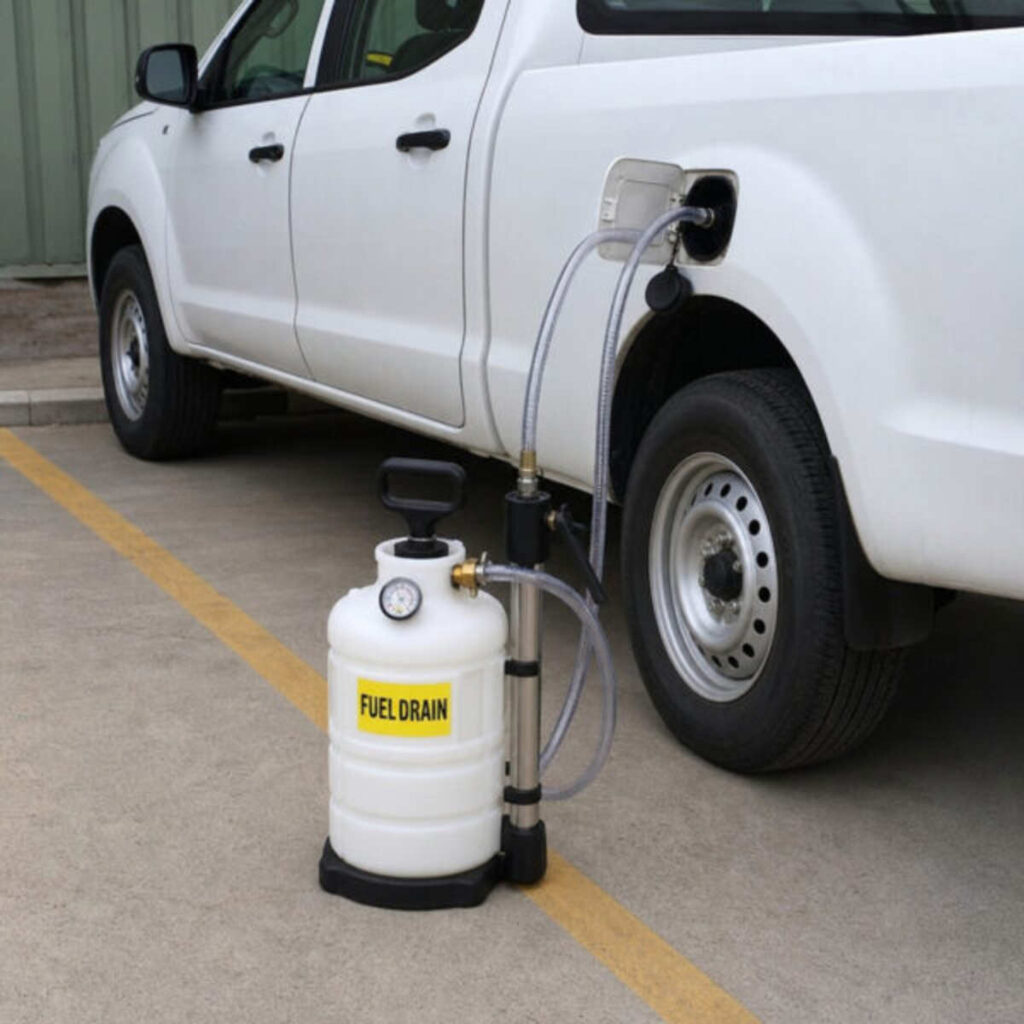
Local Fuel Drain Central Coast Assistance
When drivers search for fuel drain central coast, they are not looking for a long technical lecture. They are looking for help that makes sense for where they are and what has happened. Local service matters because every minute can feel like an hour when your vehicle is stuck at a pump, parked on the side of the road, or sitting in a driveway, unable to move.
Central Coast roads and routines create plenty of situations where misfuelling can happen. Long commutes, shared family vehicles, business fleets, weekend travel, and unfamiliar hire cars all increase the chance of a momentary mix-up.
A local response can support drivers in many common scenarios, including:
- Wrong fuel was added at a service station.
- A vehicle filled by a family member or employee.
- A diesel ute accidentally topped with petrol.
- A petrol car was filled from the wrong container.
- A fleet vehicle that needs to return to work quickly.
- A driver who has started the engine and noticed rough running.
- A vehicle parked at home after the mistake is discovered.
- A visitor to the Central Coast is unsure where to get help.
Wherever you are, the first step is the same: stop, stay safe, and ask for professional advice.
Fuel Drain Support for Personal Vehicles
For everyday drivers, a wrong-fuel incident can cause immediate concern. You might be concerned about repair costs, being stranded, missing work, or damaging a car you rely on every day. A professional fuel drain service helps reduce confusion by giving you a structured path forward.
We assist drivers with a wide range of personal vehicles, including small cars, family SUVs, diesel wagons, utes, vans, and 4WDs. Because every vehicle is different, we avoid one-size-fits-all claims. Instead, we assess the situation and explain what is likely needed.
If your vehicle has not been started, the response may be relatively straightforward. If it has been driven, we will explain why further care may be necessary and when to involve a qualified mechanic.
Fuel Drain Support for Tradies and Work Vehicles
Work vehicles keep businesses moving. When a ute, van, or light commercial vehicle is stuck due to the wrong fuel, the impact can be greater than a single delayed trip. Jobs may be postponed, tools may be stranded, and schedules can quickly unravel.
Our fuel drain approach is useful for tradies, contractors, mobile workers, and small business owners who need direct, practical help. We understand that downtime matters. While we do not make unrealistic promises, we do focus on efficient assessment and clear communication so you can make the next decision quickly.
If a work vehicle has been misfuelled, do not attempt to drive it back to the depot. Stop safely and arrange a professional fuel drain or mechanical advice. A short drive may seem convenient, but it can increase the risk of further problems.
Fuel Drain Support for Fleets
Fleet vehicles are often driven by different people, refuelled under time pressure, and used across changing routes. That combination can make misfuelling more likely. A reliable fuel drain process helps fleet managers respond quickly and consistently.
For fleets, the most important priorities are usually safety, downtime, communication, and documentation. A professional response can help determine what happened, minimise unnecessary vehicle movement, and advise whether the vehicle should be inspected before returning to service.
If your business manages multiple vehicles, it can be useful to have a simple internal misfuel policy. Drivers should know to stop immediately, avoid restarting, report the issue, and wait for instructions. That alone can reduce the chance of turning a manageable fuel drain into a more serious repair.
Fuel Drain Support for Visitors and Holiday Drivers
The Central Coast attracts visitors who may be driving hire cars, borrowed vehicles, company cars, caravans, tow vehicles, or family SUVs packed for the weekend. When you are away from home, a wrong fuel incident can feel even more stressful because you may not know who to call.
A local fuel drain service can help visitors understand their options without needing to search through unrelated results or guess which workshop is appropriate. If the vehicle is a hire car or company car, you may also need to notify the relevant provider or fleet contact. We can still help you understand the immediate safety steps and whether the vehicle should remain off.
Do not drive further just because you are close to accommodation, a beach, a campground, or a main road. If wrong fuel is suspected, stopping early is usually the better choice.
Common Signs of Wrong Fuel in a Vehicle
Sometimes drivers realise the error at the pump. Other times, the vehicle tells the story. While symptoms vary, there are several warning signs that can suggest the wrong fuel has entered the system.
Possible signs include:
- Engine spluttering or hesitation.
- Unusual knocking or rattling sounds.
- Difficulty starting.
- Engine stalling.
- Excessive smoke.
- Reduced power.
- Rough idling.
- Warning lights on the dashboard.
- Strong or unusual fuel smell.
- Vehicle refusing to restart.
These signs can also be caused by other mechanical issues, so they do not prove that the fuel is wrong on their own. But if symptoms begin shortly after refuelling, it is worth treating the situation seriously.
What Not to Do After Misfuelling
A few simple choices can make a big difference after a fuel mistake. Avoiding the wrong actions is just as important as taking the right ones.
Do not:
- Keep driving to “use up” the wrong fuel.
- Rev the engine to see if it clears.
- Add more correct fuel and hope dilution fixes it.
- Attempt to drain fuel using a hose or container.
- Do not smoke or use ignition sources near the vehicle.
- Pour contaminated fuel onto the ground or into drains.
- Ignore warning lights after the incident.
- Restart the engine repeatedly if it is struggling.
The safest move is to stop and get advice. Even a brief call can prevent costly assumptions.
Can You Dilute Wrong Fuel?
Drivers often ask whether they can simply fill the rest of the tank with the correct fuel and continue driving. In many cases, that is not a safe assumption. The risk depends on the vehicle, the fuel type, the amount of contamination, and whether the engine has already run.
Modern fuel systems can be sensitive, particularly in diesel vehicles. Attempting to dilute the wrong fuel may still allow contaminated fuel to circulate through the system. It can also make the problem harder to assess because the total mixture becomes less clear.
If you have added the wrong fuel, ask a professional before adding anything else. It is better to get tailored advice than to rely on a rule of thumb that may not suit your vehicle.
Will Insurance Cover Wrong Fuel?
Insurance coverage for misfuelling depends on your policy, provider, and circumstances. Some policies may cover accidental contamination, towing, or related damage, while others may exclude it or impose conditions. Because policy details vary, you should contact your insurer directly if you intend to make a claim.
A fuel drain technician can help you understand the practical vehicle side of the problem, but only your insurer can confirm coverage. If you have roadside assistance, fleet support, or manufacturer roadside cover, those providers may also have specific instructions you need to follow.
Before authorising major repairs, it can be worth checking your policy requirements. But if the vehicle is in an unsafe location or at risk of further damage, prioritise safety and professional advice first.
Do You Need a Mechanic After a Fuel Drain?
Sometimes a fuel drain is enough to resolve the immediate problem. Other times, a qualified mechanic should inspect the vehicle. This is especially true if the engine was started, driven, stalled, produced smoke, made unusual noises, or showed warning lights.
A fuel drain removes contaminated fuel. It does not automatically confirm that every component is unaffected. That is why honest advice matters.
You may need a mechanic if:
- The vehicle was driven after the wrong fuel was added.
- The engine stalled or refused to restart.
- Warning lights remain on.
- There are unusual noises or smoke.
- The vehicle runs poorly after the drain.
- The fuel system requires inspection, cleaning, or component checks.
Local central coast mechanics can provide further diagnosis where required. A good fuel drain response will not compete with proper mechanical inspection when inspection is the right next step.
Why Clear Communication Matters
When something goes wrong with a vehicle, technical jargon can make the situation feel worse. You need clear explanations, not a guessing game. Our approach is to explain the issue in plain English so you understand your options.
We aim to answer questions such as:
- What should I do right now?
- Is it safe to start the car?
- Do I need a drain, a tow, or a mechanic?
- What information do you need from me?
- What happens after the wrong fuel is removed?
- What signs should I watch for afterwards?
The more clearly you understand the situation, the easier it is to make a good decision.
A Safety-First Approach to Fuel Handling
Fuel is not just an inconvenience when it is in the wrong tank. It is a hazardous substance. Safe handling matters for people, vehicles, property, and the environment.
A professional fuel drain service should take care to reduce risks such as:
- Fuel vapour exposure.
- Fire hazards.
- Spills on driveways, roads, and service station forecourts.
- Contamination of soil or stormwater systems.
- Unsafe storage or transport of contaminated fuel.
- Damage caused by unsuitable tools or improvised draining methods.
This is one of the strongest reasons to avoid DIY draining. Even if you are mechanically confident, fuel handling introduces risks that require the right equipment and procedure.
Helping You Avoid Repeat Misfuelling
Once the immediate issue is resolved, most drivers want to ensure it never happens again. A few simple habits can help reduce the risk of another wrong-fuel incident.
Consider these prevention tips:
- Pause before lifting the pump nozzle.
- Check the fuel label on the cap or inside the filler flap.
- Avoid relying only on pump colour, as colours can vary.
- Be extra careful when driving a borrowed, new, hired, or work vehicle.
- Keep a reminder sticker near the filler cap if needed.
- Train fleet drivers to confirm fuel type before refuelling.
- Do not refuel while distracted by phone calls or time pressure.
- Keep fuel containers clearly labelled and separate.
Misfuelling is often caused by routine, not ignorance. A small reminder can break the autopilot habit.
For Petrol Stations and Forecourt Incidents
If you realise the mistake while still at a service station, remain calm and avoid moving the vehicle unless a staff member asks you to move it and it can be done safely without starting the engine. In many cases, the best option is to leave the vehicle off and arrange professional help.
Let staff know what has happened so they can manage forecourt safety and traffic flow. If your vehicle is blocking a pump, there may be a way to move it safely without starting it, but do not attempt anything that puts people or property at risk.
A fuel drain technician can advise you on what to do while you wait. If you are unsure, call before taking action.
For Driveway and Home Misfuelling
Wrong fuel incidents do not only happen at petrol stations. Sometimes fuel is added from a container at home, on a rural property, at a worksite, or in a driveway. This can happen when fuel containers are not clearly labelled or when several vehicles and machines use different fuels.
If you suspect the wrong fuel has been added at home, do not start the vehicle. Keep ignition sources away from the area, and do not attempt to drain the tank yourself. Contaminated fuel still needs safe handling and proper disposal.
Home situations can feel less urgent because the vehicle is not blocking a pump or stuck on the road. But the mechanical risk remains if the engine is started, so it is worth seeking advice before moving the vehicle.
For Roadside Misfuel Situations
If the vehicle begins running poorly after refuelling and you are already on the road, your first priority is personal safety. Pull over only when it is safe to do so. Use hazard lights if appropriate. Keep clear of traffic. If you are in a dangerous situation, contact roadside assistance or emergency services as needed.
Once you are safe, switch off the vehicle and avoid restarting it. Then contact a fuel drain professional or roadside provider for guidance.
Do not stand in an unsafe position while inspecting the vehicle. Do not open fuel system components on the roadside. The goal is to keep people safe first, then deal with the vehicle.
Why Local Search Matters When You Need Help
When you type “fuel drain central coast” into a search bar, you are often doing so under pressure. You need relevant results, local expertise, and a service that understands the urgency of wrong-fuel problems. That is why location-specific support matters.
A local service page like this helps drivers find the right kind of help quickly. It also helps separate fuel drain support from unrelated automotive services. While central coast mechanics are valuable for repairs, diagnostics, servicing, and inspections, a fuel drain service focuses on the immediate problem of contaminated fuel.
The best outcome often comes from choosing the right service at the right stage:
- Fuel drain technician for wrong fuel removal and immediate advice.
- Mechanic for diagnosis, repair, and post-incident inspection if needed.
- Roadside assistance for towing, safety support, or access issues.
- Insurer or fleet manager for claims and authorisation requirements.
Knowing who to call first can save time.
What Makes a Good Fuel Drain Provider?
Not every provider communicates or operates the same way. When choosing help, look for a service that takes safety seriously and gives clear guidance.
A good fuel drain provider should:
- Ask whether the engine has been started.
- Ask what type of fuel was added.
- Explain why you should avoid driving.
- Use appropriate fuel handling equipment.
- Avoid encouraging unsafe DIY action.
- Be honest about when a mechanic is required.
- Communicate clearly about the process.
- Treat customers respectfully.
You do not need someone who makes you feel worse about the mistake. You need someone who helps you solve it properly.
Straight Answers to Common Fuel Drain Questions
Is wrong fuel always serious?
It should always be treated seriously, but the outcome depends on the details. If the engine has not been started, the situation may be easier to manage. If the vehicle has been driven, the risk can increase.
Can I drive to a nearby workshop?
If you know or suspect wrong fuel has been added, it is usually better not to drive. Call for advice first. Driving may circulate contaminated fuel through the system.
What if I only added a small amount?
Even small amounts can matter depending on the vehicle and fuel type. Do not assume it is safe. Ask a professional before starting or driving.
What if the car seems fine?
A vehicle may appear to run normally at first even after misfuelling. That does not guarantee there is no risk. If you know the wrong fuel went in, get advice.
Will a fuel drain fix everything?
A fuel drain addresses contaminated fuel in the tank and system. If the vehicle has been driven or damaged, mechanical inspection or repair may still be required.
Is it embarrassing to call?
No. Misfuelling happens to careful drivers all the time. The important thing is taking the right action once you realise.
The Difference Between Panic and Process
Wrong-fuel incidents feel urgent because they disrupt your plans and create uncertainty. But panic rarely helps. A clear process does.
The process is simple:
- Stop the vehicle or avoid starting it.
- Move to safety if needed.
- Confirm what you know about the fuel added.
- Contact a professional fuel drain service.
- Follow advice before restarting or driving.
- Arrange mechanical inspection if recommended.
This approach protects your vehicle better than guessing. It also gives you a sense of control when the situation feels frustrating.
Serving Drivers Across the Central Coast
Our service is designed for motorists across the Central Coast who need timely help with wrong fuel issues. Because exact availability can vary by location, vehicle access, and technician schedules, the best way to confirm support is to contact the team directly.
We assist a wide range of drivers, including:
- Local commuters.
- Families.
- Tradies.
- Fleet operators.
- Small businesses.
- Visitors.
- Hire car drivers.
- Delivery and service vehicle drivers.
If you are in the region and need a fuel drain service, reach out with your location and the details of what happened. We will guide you from there.
Respectful Help When You Need It Most
Nobody wants to call for help after putting the wrong fuel in a vehicle. It can feel awkward, expensive, and inconvenient before you even know the facts. That is why the tone of the service matters.
We believe good service should be calm, clear, and respectful. You should not be made to feel careless. You should not be pushed into decisions without explanation. You should not be given vague advice when practical guidance is available.
Our approach is simple: listen first, assess carefully, explain clearly, and help you take the safest next step.
Why Acting Early Can Protect Your Vehicle
The earlier you respond to a misfuel incident, the better your options tend to be. If the vehicle remains off, there may be less contaminated fuel movement through the system. If the engine has already run, stopping quickly may help reduce further circulation.
Acting early can help:
- Reduce unnecessary engine running.
- Avoid worsening symptoms.
- Limit contaminated fuel movement.
- Prevent unsafe roadside decisions.
- Give technicians clearer information.
- Support better mechanical decision-making.
There are no guarantees, because every vehicle and incident is different. But early action is almost always smarter than delay.
Fuel Drain Service for Modern Vehicles
Modern vehicles can be efficient, powerful, and comfortable, but their fuel systems can also be more complex than older designs. Pumps, injectors, sensors, filters, emission systems, and electronic controls may all respond badly to contamination.
That is why a careful fuel drain process matters. The aim is not to treat a modern vehicle like a simple container with an engine attached. The aim is to respect the system, safely remove the wrong fuel, and recognise when further technical inspection is required.
Whether your vehicle is new, older, privately owned, leased, part of a fleet, or used for work, the same principle applies: do not guess with fuel contamination.
Fuel Contamination Beyond Petrol and Diesel Mix-Ups
While petrol-in-diesel and diesel-in-petrol are the most common wrong-fuel issues, contamination can occur in other ways. Water, stale fuel, dirty fuel containers, mixed fuels, and unknown liquids can also create problems.
If the vehicle begins running poorly after refuelling or after fuel has been added from a container, contamination may be a possibility. In these cases, professional advice is still the right move. The response may differ depending on what is suspected, but continuing to drive is rarely the best first option.
If you do not know what contaminated the fuel, say so. Guessing can lead to the wrong response. A clear description of what happened is more useful than trying to diagnose it yourself.
Commercial Benefits of Having a Fuel Drain Contact
For businesses that rely on vehicles, having a fuel drain contact ready can save time when a mistake happens. Staff may not know what to do under pressure, and a simple response plan can prevent the vehicle from being driven further.
Business owners and fleet managers can reduce misfuel disruption by:
- Labelling vehicles clearly by fuel type.
- Training drivers to check fuel caps and pump labels.
- Keeping fuel cards linked to the correct fuel type where possible.
- Creating a clear incident reporting process.
- Instructing drivers not to restart after misfuel.
- Keeping fuel drain and roadside contacts accessible.
- Reviewing incidents without blame so prevention improves.
A calm process is better than a rushed reaction.
What to Tell Us When You Call
You do not need technical knowledge to contact us. Just share what you know. The more detail you can provide, the easier it is to guide you.
Helpful information includes:
- Your location.
- Vehicle make, model, and year if known.
- Whether it is petrol or diesel.
- The wrong fuel added, if known.
- Approximate amount added.
- Whether the tank was nearly empty, half full, or almost full.
- Whether the engine has been started.
- Whether you have driven and how far.
- Any warning lights, smoke, noise, or stalling.
- Whether the vehicle is in a safe place.
If you are unsure about any of these, that is fine. We can still help you work through the situation.
Clear Expectations Without Overpromising
Trust is built by being honest. A professional fuel drain service should not promise that every vehicle will be perfectly fine after a drain, especially if it has been driven with the wrong fuel. It should also not scare drivers unnecessarily when the situation may be manageable.
We aim to give balanced advice. That means explaining the likely process, the possible risks, and when further mechanical assessment is sensible.
The goal is not to make the biggest claim. The goal is to help you make the right decision for your vehicle.
Why Drivers Prefer Simple, Local Help
When you are stuck, simplicity matters. You want to know who to contact, what not to do, and what happens next. A local fuel drain provider can remove confusion by focusing on the exact issue in front of you.
Instead of searching through general automotive advice, towing options, online forums, and unrelated repair pages, you can speak with someone who deals directly with wrong-fuel situations.
That is why a focused fuel drain service is so valuable. It bridges the gap between the moment you realise the mistake and the point where your vehicle is either ready to continue or ready for mechanical inspection.
A Better Experience for Stressful Moments
The best automotive services understand that they are not just working on vehicles. They are helping people through inconvenient, stressful moments. That matters especially when misfuelling, as drivers often feel embarrassed or anxious.
Our customer approach is built around:
- Reassurance without false promises.
- Practical advice without jargon.
- Safety without scare tactics.
- Speed without shortcuts.
- Local support without confusion.
You made a mistake at the pump. That does not mean the rest of the day has to fall apart.
When a Tow May Be Needed
Sometimes a fuel drain can be handled on-site. Other times, towing may be necessary due to access issues, safety concerns, vehicle condition, mechanical symptoms, or service requirements. If the vehicle is in a dangerous position, has been driven extensively, or will not restart safely, towing may be the better option.
A good provider will help you understand when towing makes sense. If mechanical repairs are likely, transporting the vehicle to a trusted workshop or one of the local Central Coast mechanics may be the most practical next step.
Do not see towing as a failure. Sometimes it is the safest and most efficient way to protect the vehicle and everyone around it.
Environmental Responsibility Matters
Contaminated fuel should never be poured out, tipped into drains, stored carelessly, or mixed into other vehicles. Fuel can harm waterways, soil, animals, and people. It can also create serious fire risks.
Professional handling helps ensure the fuel is contained and managed responsibly. This is part of the value of choosing a proper service rather than attempting a quick fix.
If you have already spilt fuel, keep ignition sources away and seek appropriate help. Do not wash fuel into drains or waterways. Safety and containment should come first.
Helping Central Coast Drivers Get Moving Again
The goal of fuel drain support is simple: help you move from uncertainty to action. Whether the outcome is a straightforward drain, a recommendation for mechanic inspection, or a tow to a workshop, you should finish the conversation knowing what to do next.
When you contact us, you can expect practical guidance for your situation, not a generic script. We understand that every misfuel incident has its own details, and we treat it that way.
If you need fuel drain central coast assistance, reach out before starting or driving the vehicle. That one decision can make the rest of the process much easier.
Book a Fuel Drain Service
If the wrong fuel has gone into your vehicle, do not wait or guess. Stop the engine if it is safe to do so, keep the vehicle off, and contact our team for help.
We can guide you through the next steps, arrange a fuel drain where suitable, and recommend further mechanical inspection if your vehicle needs it.
Get in touch today to request a fuel drain service on the Central Coast. Tell us where you are, what fuel was added, and whether the vehicle has been started. We will help you take the safest next step.
Before You Call, Remember This
Wrong fuel mistakes happen quickly. The solution starts just as quickly when you make the right call.
Keep this checklist in mind:
- Do not start the vehicle if you have not already.
- Stop driving as soon as it is safe if the engine is running.
- Avoid topping up with more fuel unless advised to do so.
- Do not attempt DIY draining.
- Keep away from ignition sources.
- Contact a professional fuel drain team.
- Arrange a mechanic inspection if recommended.
Central Coast drivers deserve straightforward help when vehicle problems interrupt the day. With calm advice, safe handling, and local support, a wrong fuel incident can be managed properly from the start.
