



The world of gaming has undergone a massive transformation over the past decade. What once started as a casual pastime on bulky desktop computers and dedicated consoles has now evolved into a multi-billion-dollar industry accessible right from the palms of our hands. The rise of smartphones has democratized access to competitive gaming, paving the way for the ultimate mobile esports competition platform. At the heart of this revolution is the game clash tournament app—a digital arena where players of all skill levels can meet, compete, and turn their passion into tangible rewards. Find out the best info about jago89.
Whether you are a casual player looking to test your skills against friends or an aspiring professional aiming for the big leagues, understanding the architecture of a top-tier game clash tournament app is crucial. These platforms are not just simple matchmaking tools; they are complex ecosystems designed to ensure fair play, foster community engagement, and distribute rewards securely.
In this comprehensive guide, we will dive deep into the top features that define the best competitive platforms on the market. We will explore everything from backend mechanics and security protocols to actionable advice for dominating your next match.
The Evolution of the Game Tournament App
Before we unpack the specific features, it is important to understand how we got here. Early mobile games were solitary experiences. You played against the computer, trying to beat a high score. Then came asynchronous multiplayer, where you could challenge a friend’s ghost or high score. Today, we have fully synchronized, real-time competitive ecosystems.
A modern game tournament app acts as a bridge between the game itself and the competitive community. It handles the logistics that developers often leave out of the base game: organizing thousands of players, scheduling matches, verifying results, and distributing prizes.
The appeal is obvious. Players are no longer playing just for bragging rights; they are competing for real stakes. But to facilitate this, a platform must be robust, transparent, and incredibly user-friendly. Let’s break down the essential features that make these applications successful.
1. Seamless Onboarding and Profile Management
The first interaction a user has with any application dictates their long-term retention. For competitive gaming platforms, the onboarding process must strike a delicate balance between gathering necessary information for fair play and getting the user into the action as quickly as possible.
Intuitive User Interface (UI)
The best apps feature a clean, dark-mode optimized interface that highlights ongoing tournaments, upcoming events, and the user’s current wallet balance. Clutter is the enemy of a good gaming app. Users need to navigate from the home screen to a match lobby in three clicks or fewer.
Setting Up an Esports Profile
A core feature of any premium platform is the player profile. Setting up an esports profile is your digital handshake with the community. Top apps allow users to:
- Link Game Accounts: Securely connect their game IDs (like PUBG Mobile, Free Fire, or Clash Royale) directly to the app via APIs.
- Showcase Statistics: Display win/loss ratios, tournament victories, and total earnings.
- Customize Avatars and Bios: Allow players to express their unique gaming personality, building a personal brand.
- Track Reputation: Implement a player rating system based on sportsmanship, reliability, and match completion rates.
A well-structured profile not only helps in matchmaking but also allows tournament organizers to vet participants, ensuring a high-quality competitive environment.
2. Advanced Matchmaking Systems
One of the most frustrating experiences in gaming is being matched against someone vastly superior or inferior in skill. It ruins the competitive integrity of the match. This is where advanced algorithms come into play.
Skill-Based Matchmaking Mechanics
To keep the ecosystem fair, top platforms employ sophisticated skill-based matchmaking mechanics (SBMM). But how does this work in a third-party app?
- Data Integration: The app pulls historical performance data from the player’s linked game accounts.
- Internal Elo/MMR Systems: The app assigns an internal Matchmaking Rating (MMR) based on the player’s performance within the app’s specific tournaments.
- Tiered Tournaments: Apps segment tournaments by skill brackets (e.g., Bronze, Silver, Gold, Pro). A highly skilled player is restricted from entering a beginner-tier tournament, preventing “smurfing” (highly skilled players crushing novices).
- Latency and Regional Matching: Beyond skill, the app matches players to servers based on their location to ensure low ping and stable connections, which is critical for reaction-based games.
By prioritizing fair matchmaking, these apps ensure that every player feels they have a legitimate chance of winning, which keeps them coming back.
3. Dynamic Bracket and Format Management
The backbone of any tournament is its structure. Whether it’s a 1v1 duel or a massive 100-player Battle Royale, the app must handle the logistics flawlessly.
How Do Online Gaming Brackets Work?
If you have ever wondered, “How do online gaming brackets work?“, the concept is both simple in theory and complex in execution. A bracket is a tree diagram that represents the series of games played during a tournament.
Top tournament apps offer versatile bracket configurations:
- Single Elimination: If you lose, you are out. It is high stakes, fast-paced, and perfect for quick daily tournaments.
- Double Elimination: Players are given a second chance. A loss drops them into a “Losers Bracket,” where they can still fight their way to the grand finals.
- Round Robin: Every player plays every other player in their group. The player with the best overall record advances.
- Swiss System: Players are matched against others with a similar running score. This format guarantees everyone plays a set number of matches without the harshness of instant elimination.
Real-Time Bracket Progress Tracking
In the past, players had to wait for a moderator to manually update a spreadsheet. Today, real-time bracket progress tracking is a non-negotiable feature. As soon as a match concludes and the result is verified, the app instantly updates the visual bracket.
- Push Notifications: Players receive immediate alerts when their next match is ready, minimizing downtime and delays.
- Spectator Views: Fans and eliminated players can watch the bracket update live, heightening the event’s suspense and engagement.
4. Uncompromising Security and Fair Play
The moment real money or valuable prizes are introduced into a competitive environment, the incentive to cheat skyrockets. Therefore, a major concern for new users is often: are competitive gaming platforms safe? The answer is yes, provided the app utilizes top-tier security features.
Preventing Cheating in Mobile Esports
Maintaining integrity is a constant battle for developers. To combat malicious actors, the best game clash tournament apps deploy multi-layered security measures:
- API Verification: Instead of relying on players to upload screenshots of their wins (which can be easily photoshopped), modern apps use direct game API integration to fetch official match results straight from the game developer’s servers.
- Device Fingerprinting: Apps track the unique hardware ID of a device. If a player is caught using an aimbot, wallhack, or third-party emulator (when prohibited), their specific device is banned, making it much harder for them to simply create a new account.
- In-App Reporting and Moderators: Players can flag suspicious behavior. A dedicated team of human moderators reviews gameplay footage and chat logs to resolve disputes swiftly.
- Anti-Fraud Payment Systems: To prevent financial fraud, apps require KYC (Know Your Customer) verification before processing large withdrawals, ensuring players are who they say they are.
By heavily investing in preventing cheating in mobile esports, tournament platforms protect their community and legitimize the mobile competitive scene.
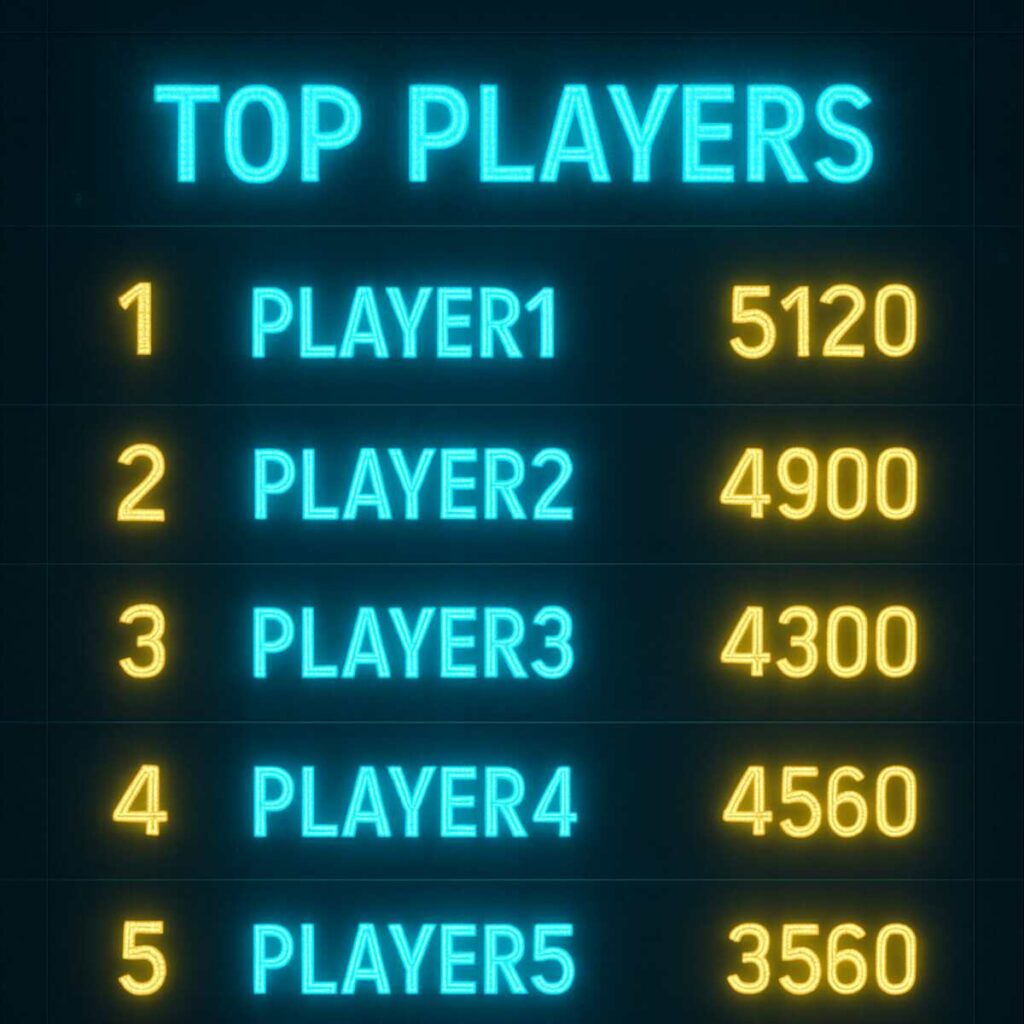
5. Automated Scoring and Leaderboards
In a fast-paced gaming environment, nobody wants to wait hours to see where they rank. Automation is the key to a seamless user experience.
Automated Leaderboard Tracking Systems
Gone are the days of manual score tallying. Premium apps utilize automated leaderboard tracking systems to keep the competition fierce and transparent.
- Instant Updates: Whether you just scored a headshot or survived until the final circle, your points are calculated and reflected on the global and tournament-specific leaderboards instantly.
- Season-Long Tracking: Many apps host “Seasons” lasting weeks or months. Leaderboards track cumulative points, rewarding consistency rather than just a single lucky win.
- Visual Prestige: Top-ranking players often receive digital badges, glowing profile borders, or exclusive titles that visually distinguish them from the rest of the community.
These automated systems do more than just display numbers; they drive engagement by tapping into the natural human desire for progression and recognition.
6. Frictionless Payouts and Rewards
Let’s be honest: while the thrill of the game is important, the primary draw for many players using a game clash tournament app is the ability to win prizes.
Secure Prize Pool Distribution Systems
When a tournament ends, the winners expect to be paid promptly. Secure prize pool distribution systems are the hallmark of a trustworthy platform.
- Escrow Wallets: When players pay an entry fee, the funds are held securely in a digital escrow wallet. The app cannot use these funds for operational costs; they are locked specifically for the prize pool.
- Instant Withdrawals: Winning players can transfer their earnings to their linked bank accounts, PayPal, or crypto wallets in almost real time.
- Multiple Currency Support: Global apps support local currencies, converting them seamlessly so players don’t incur exorbitant exchange rates.
- In-App Currency: For regions with strict real-money gaming laws, apps often use virtual coins or gems that can be redeemed for gift cards, gaming hardware, or in-game skins.
Monetizing Gaming Skills Through Apps
The gig economy has reached the gaming world. Monetizing gaming skills through apps is now a viable side hustle for dedicated players. By participating in daily low-stakes tournaments, players can steadily build their bankrolls. Furthermore, top platforms offer referral bonuses, content creation sponsorships, and coaching marketplaces where highly ranked players can charge beginners for training sessions.
7. Community and Social Features
A game clash tournament app should not feel like an empty arena. It needs to be a bustling digital stadium. The community is the glue that holds the platform together.
The Competitive Mobile Gaming Community
Building a thriving competitive mobile gaming community requires robust social features:
- In-App Chat and Voice Lobbies: Players need to communicate with their teammates to coordinate strategies before a match begins.
- Guilds and Clans: Allowing players to form permanent teams fosters loyalty. Guilds can compete in exclusive clan wars, earning collective points on a separate leaderboard.
- Forums and News Feeds: A central hub for players to discuss patch notes, share highlight clips, and find new teammates.
- Direct Messaging: A secure way for players to connect, schedule private scrimmages, and build friendships.
When an app successfully integrates these social elements, users log in not just to play, but to interact with their peers.
8. Getting Started: A Beginner’s Journey
If you are new to the world of mobile esports, the sheer number of options and competitive players can feel overwhelming. However, getting involved is easier than you might think.
Initiating Your Tournament App Download
The first step is finding the right platform. When initiating a tournament app download, always ensure you are getting the software from an official source—either the Apple App Store, Google Play Store, or the developer’s official website. Avoid third-party APK sites to prevent accidentally downloading malware.
Best Esports Apps for Beginners
If you are wondering where to start, look for platforms that cater specifically to newcomers. The best esports apps for beginners will offer:
- Freeroll Tournaments: These are events with zero entry fee but a real cash or digital prize pool. They are perfect for testing the waters without risking your own money.
- Comprehensive Tutorials: Clear instructions for linking your game account, joining a lobby, and reporting a score.
- Beginner-Only Brackets: Tournaments restricted to new accounts or low-level players, ensuring you aren’t immediately crushed by veterans.
Joining Online Competitive Gaming Events
Once your profile is set up, joining online competitive gaming events is usually a straightforward process:
- Browse the Directory: Look for tournaments featuring your favorite game.
- Check the Rules: Every tournament has specific rules (e.g., specific map, banned weapons, required team size). Read these carefully to avoid disqualification.
- Register: Click “Join” and pay the entry fee (if applicable).
- Check-In: Most apps require a “check-in” 15 to 30 minutes before the match starts to confirm you are actually online and ready to play.
- Play and Report: Follow the app’s instructions to join the custom game room. After the match, the API will fetch your score, or you may be required to upload a screenshot.
9. Advanced Strategies: How to Dominate the Competition
Joining a tournament is easy; winning one consistently requires strategy, discipline, and the right mindset. If you want to know how to win mobile game tournaments, you must treat your mobile gaming with the same respect that traditional athletes treat their sports.
Master Your Hardware and Settings
Your smartphone is your primary tool. Ensure it is optimized for peak performance:
- Wired Connections: Whenever possible, use a stable Wi-Fi connection or a wired Ethernet adapter for your phone to eliminate ping spikes.
- Do Not Disturb Mode: A phone call or text notification during a crucial firefight can cost you the tournament. Always use gaming modes to block interruptions.
- Claw Grip vs. Thumbs: Depending on the game, learn advanced grip styles. The “four-finger claw” technique allows you to move, aim, shoot, and jump simultaneously, giving you a massive advantage over two-thumb players.
- Optimal Framerates: Lower your graphics settings to maintain a consistent 60 or 90 FPS. Smooth gameplay is always better than pretty visuals in a competitive setting.
Understand the Meta
The “meta” (Most Effective Tactic Available) constantly shifts with every game update. To win, you must stay ahead of the curve.
- Patch Notes: Read every update. If a specific character or weapon gets buffed, you need to know how to use it—or how to counter it.
- Watch the Pros: Spend time watching professional streams and major esports broadcasts. Analyze their rotations, their loadouts, and their decision-making processes.
Mental Fortitude and Tilt Management
In competitive gaming, “tilt” refers to a state of emotional frustration that impairs decision-making.
- Take Breaks: If you lose a match due to bad luck or a mistake, do not immediately queue up for another. Step away for five minutes to reset your mental state.
- Review Your Mistakes: Instead of blaming lag or your teammates, record your gameplay. Watch your losses and identify exactly what you did wrong. Improvement comes from self-awareness.
Leverage App Features to Your Advantage
Use the game clash tournament app to scout your opponents. Check their profiles, review their past match history, and look for patterns. If you are playing a 1v1 strategy game and notice your opponent always uses a specific deck, you can build a counter-deck before the match even begins.
10. The Landscape: Exploring the Market Options
While we have discussed the ideal features of a game clash tournament app, it is helpful to acknowledge that no single app has a monopoly on the market. Depending on your region, preferred game, and skill level, you might want to explore alternatives to popular gaming platforms.
Niche vs. Universal Platforms
Some apps are universal, supporting dozens of different games ranging from mobile shooters and MOBAs to digital card games and racing simulators. These are fantastic for versatile gamers. However, if you play only one specific game, you might find more value in a niche platform dedicated entirely to that title. Niche platforms often have deeper API integrations and highly specialized community events.
Web3 and Blockchain Alternatives
A growing trend in the competitive gaming space is the integration of Web3 technologies. Some newer platforms utilize blockchain to facilitate instant, zero-fee crypto payouts and use NFTs (Non-Fungible Tokens) as entry tickets or exclusive rewards. While these platforms offer incredible transparency into prize pool distribution, they also present a steeper learning curve for beginners unfamiliar with digital wallets.
When evaluating which app to commit your time to, look for consistent update schedules, responsive customer support, and active, non-toxic communities. Read reviews, try out a few freeroll tournaments, and see which app’s ecosystem feels like the best fit for your gaming style.
11. The Future of Game Clash Tournament Apps
As mobile hardware continues to improve, rivaling the power of last-generation consoles, the scope of mobile esports will only expand. What can we expect from the next generation of game clash tournament apps?
AI-Driven Coaching and Analysis
Future apps will likely integrate artificial intelligence to provide players with post-match analysis. Imagine an app that not only records your score but tells you, “Your reaction time was 15% slower in the final circle,” or “You tend to lose engagements when pushing from the left side.” This kind of automated coaching will revolutionize how players improve.
Augmented Reality (AR) Integration
As AR games become more competitive, tournament apps will need to adapt to geolocated matchmaking, organizing real-world meetups for digital battles in local parks or stadiums.
Deeper Developer Partnerships
Currently, many tournament apps operate as third-party organizers. In the future, we will see deeper native integrations in which game developers partner directly with tournament platforms, blurring the line between the game client and the competitive hub. This will lead to perfectly seamless transitions from viewing an upcoming bracket to spawning directly into the tournament lobby.
Conclusion: Stepping Into the Arena
The rise of the game clash tournament app has fundamentally changed the way we interact with mobile games. They have transformed solitary screen time into a thriving, highly competitive, and potentially lucrative digital sport.
From the sophisticated skill-based matchmaking mechanics that ensure fair fights, to the automated leaderboard tracking systems that fuel our competitive drive, these platforms are marvels of modern software engineering. They provide the necessary infrastructure—such as secure prize pool distribution systems and robust anti-cheat measures—to make us feel safe while monetizing gaming skills through apps.
Whether you are looking to download your first app, set up your esports profile, or figure out the nuances of online gaming brackets, the ecosystem is ready and waiting for you. The barrier to entry has never been lower, but the ceiling for skill and reward has never been higher.
So, optimize your phone, study the meta, join a supportive competitive mobile gaming community, and enter your first tournament. The digital arena is calling—do you have what it takes to rise to the top of the leaderboard?